 Bookmark
 There's something about the smell of toasted sesame oil hitting a bowl of fresh noodles that makes you stop and pay attention. I discovered this Asian peanut noodle bowl on a sweltering afternoon when my kitchen felt too warm for anything heavy, and I needed something that tasted like it actually mattered. The creamy peanut dressing came together in minutes, and suddenly I was eating something that felt both comforting and impossibly fresh. It became my go-to when I wanted to feel like I'd traveled somewhere, even if I was just standing at my kitchen counter.
I made this for my friend Sophie on a random Tuesday, and she ate the entire bowl in silence before asking for the recipe—which I'm pretty sure is the highest compliment anyone has ever paid me in the kitchen. What struck me was how something so simple and vegetable-forward felt completely satisfying, like it didn't need anything else to feel whole. She started making it weekly, and now whenever I see her, she's got a container of these noodles in her work bag.
Ingredients
- Rice or wheat noodles (300 g): Rice noodles keep things lighter and have a delicate texture that holds the dressing beautifully, though wheat noodles give you more substance if you prefer heartier bites.
- Carrot (1 medium): The sweetness of raw carrot cuts through the richness of the peanut dressing and adds a satisfying crunch that doesn't soften even after sitting in dressing for hours.
- Red bell pepper (1 small): This brings brightness and a slight peppery note that feels fresh against the creamy elements—don't skip it even if you think you're not a bell pepper person.
- Red cabbage (1 cup shredded): Raw cabbage stays crisp no matter how long it sits, and its slightly peppery bite makes every bite interesting.
- Scallions (2, thinly sliced): Split them into white and green parts so you can scatter the whites through the bowl and save the greens for garnish—it keeps a fresh onion note alive all the way to the last bite.
- Fresh cilantro (1/2 cup): If cilantro isn't your thing, swap it for fresh mint or basil, though cilantro's peppery edge really completes this particular flavor story.
- Bean sprouts (1/2 cup): These are pure texture—they add a whisper of crunch that reminds you the bowl is alive and fresh, not just a tangle of coated noodles.
- Creamy peanut butter (1/3 cup): Use the good stuff, not the natural separating kind if you want the dressing to be silky and easy to whisk together without frustration.
- Soy sauce (2 tbsp): This is your salty backbone; tamari works if you need gluten-free, and honestly the flavor is so close most people won't notice the swap.
- Sesame oil (1 tbsp): Don't be tempted to add more—a little goes a long way, and too much will overpower everything else in the dressing.
- Rice vinegar (1 tbsp): This gentle acid brightens the whole dressing without making it taste sharp or aggressive.
- Honey or maple syrup (1 tbsp): Just enough to round out the flavors and make the dressing feel balanced rather than one-note savory.
- Ginger (1 tsp, freshly grated): Fresh ginger makes all the difference here—bottled just isn't the same, and you only need a tiny amount to add that warm, almost spicy note.
- Garlic (1 small clove, minced): One clove is all you need; more than that and it becomes aggressive instead of subtle.
- Warm water (2–4 tbsp): This is how you control the dressing's thickness, so add it slowly and taste as you go rather than guessing.
- Roasted peanuts (2 tbsp, chopped): These add the final crunch and that unmistakable peanut flavor that brings everything together.
- Toasted sesame seeds (1 tsp): Toast them yourself if you can—the difference between toasted and raw is remarkable.
- Lime wedges: A squeeze of fresh lime at the end lifts everything, so always bring them to the table.
Tired of Takeout? 🥡
Get 10 meals you can make faster than delivery arrives. Seriously.
One email. No spam. Unsubscribe anytime.
Instructions
- Cook and cool your noodles:
- Boil water generously salted, add your noodles, and cook until they're just tender but still have a tiny bit of bite—don't overcook them because they'll continue to soften as they cool. Drain them into a colander and rinse under cold water while moving them around with your hands so they don't clump together.
- Make the dressing magic happen:
- In a bowl, start whisking together the peanut butter and soy sauce first—this combination will feel thick and resistant at first, but keep whisking and add the sesame oil, vinegar, honey, ginger, and garlic slowly. Once everything is roughly combined, start adding warm water a tablespoon at a time while whisking until you reach that perfect pourable consistency—it should coat the back of a spoon but still run off easily.
- Build your bowl:
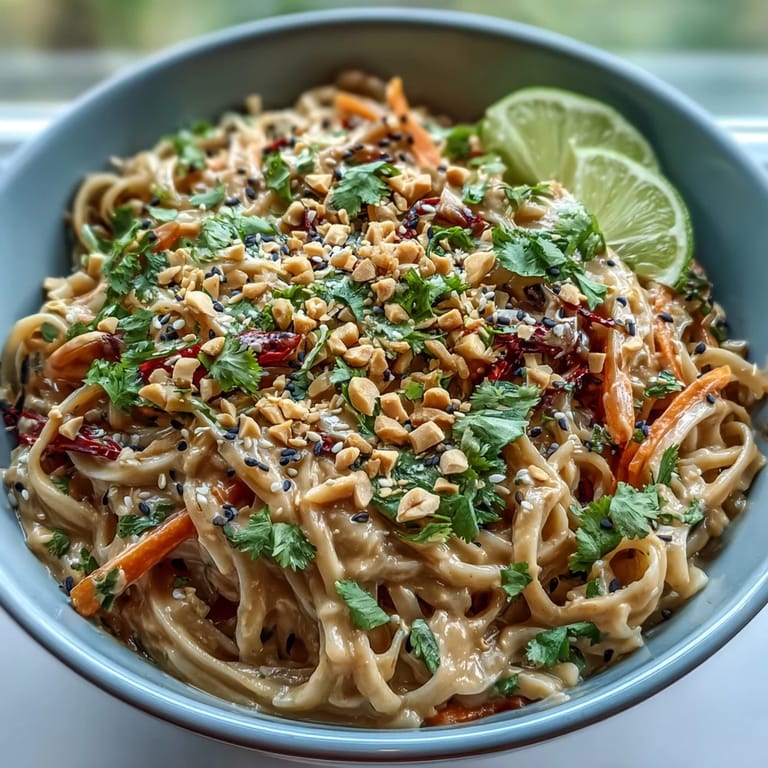
- Put the cooled noodles in a large bowl with all your vegetables and herbs, then pour that dressing over everything. Use two forks or wooden spoons to toss gently but thoroughly, rotating from the bottom up so every strand gets coated evenly.
- Plate and garnish:
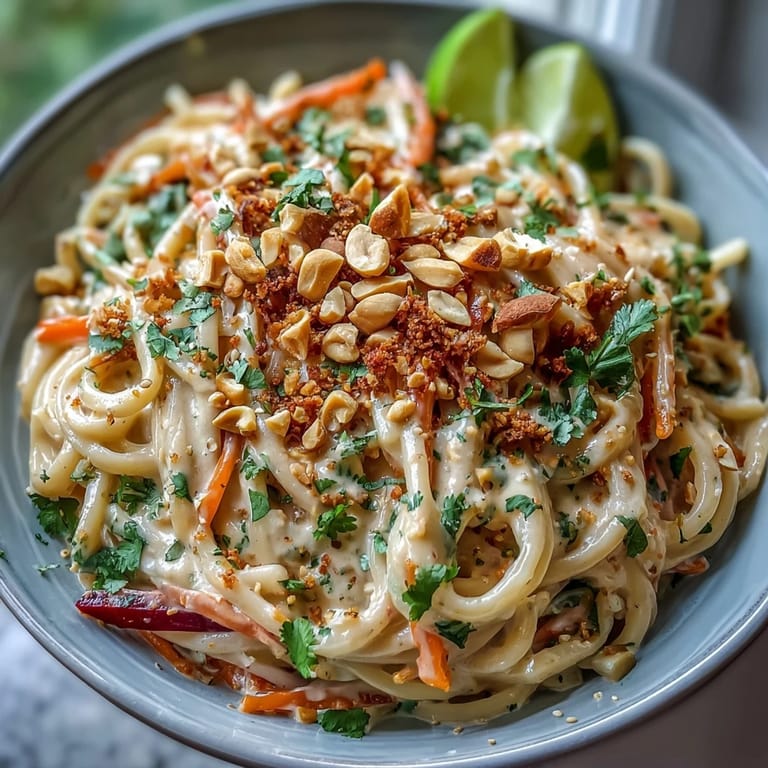
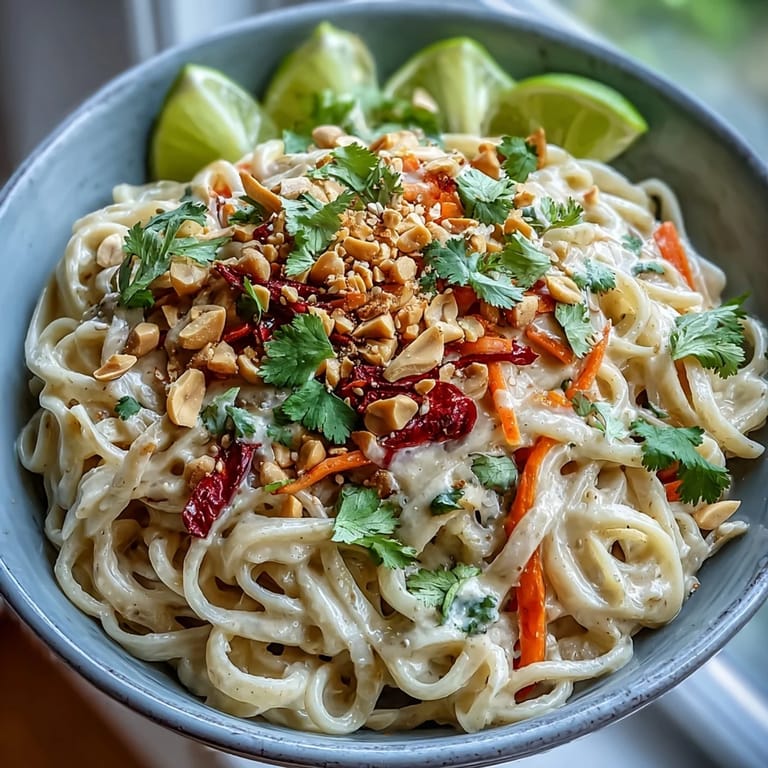
- Divide the noodles among bowls or plates, pile the chopped peanuts and sesame seeds on top of each serving, scatter extra cilantro around, and set lime wedges nearby. This isn't just decoration—those final garnishes are where you get the texture and freshness that makes each bite feel special.
 Bookmark
 What got me about this bowl wasn't just the flavors—it was the moment when my partner tried it and immediately asked if I could make it again the next day. There's something quietly powerful about feeding someone something simple that lands exactly right, and this bowl does that every single time.
Cold Versus Warm—What Changes
Eating this straight from the fridge is like biting into a crisp, refreshing salad, where every vegetable snaps and the dressing feels bright and cool against your mouth. But when you gently warm the noodles under running hot water before tossing, the whole experience shifts—the peanut dressing becomes silkier and more enveloping, and the warmth brings out deeper notes in the ginger and garlic that almost disappear when everything's cold. Neither way is wrong; it just depends on whether you want comfort food or pure refreshment.
Making It a Complete Meal
This bowl is technically vegetarian as written, but it honestly sings when you add protein. Grilled tofu pressed and seared until it's golden adds a nutty richness that somehow makes the peanut flavor even more complex. Shredded rotisserie chicken, if you're not vegetarian, requires basically no effort and transforms this from a side dish into a real dinner. Even cold shrimp tossed in at the last second brings an elegant simplicity—just make sure they're cooled before mixing them in so they don't warm up the whole bowl.
Small Changes That Shift Everything
I've learned that this bowl is endlessly flexible, and sometimes the best version is the one you create in your own kitchen with what's on hand. The architecture stays the same—noodles, vegetables, dressing, crunch—but you can swap or add almost anything without breaking it. Try these ideas when you're feeling experimental:
- Cucumber ribbons and snap peas instead of bell pepper if you want pure crunch and delicate sweetness.
- A tablespoon of peanut butter mixed in with sriracha if you want heat, or a splash of fish sauce if you want umami depth.
- Mint instead of cilantro, or use both together, because Asian noodle bowls are forgiving that way.
 Bookmark
 This bowl has become the recipe I make when I want to feel grounded, when I'm feeding someone I care about, or when it's too hot to think about anything heavy. It's proof that sometimes the simplest things, made with attention and good ingredients, are exactly what we need.
Recipe Questions
- → Can I make this noodle bowl ahead of time?
Yes, you can prepare the components up to 24 hours in advance. Store the cooked noodles, vegetables, and peanut dressing separately in the refrigerator. Toss everything together just before serving for the best texture and flavor.
- → What type of noodles work best?
Rice noodles provide a light, gluten-free option that absorbs the peanut dressing beautifully. Wheat noodles offer a chewier texture and more substance. Both work well, so choose based on your preference and dietary needs.
- → How can I add more protein?
Grilled tofu, shredded chicken, or sautéed shrimp make excellent protein additions. Marinate your chosen protein in a splash of soy sauce and sesame oil before cooking to complement the peanut flavors. Edamame also works wonderfully for plant-based protein.
- → Can I adjust the peanut dressing consistency?
Absolutely. The dressing thickness depends on your preference—add warm water one tablespoon at a time until it reaches your desired pourable consistency. For a thinner sauce, add more water; for a thicker, creamier texture, use less.
- → Is this suitable for meal prep?
This dish is excellent for meal prep. Portion the dressed noodle mixture into individual containers, keeping toppings like peanuts and sesame seeds separate. Store in the refrigerator for up to 3 days and add fresh garnishes before eating.
- → What vegetables can I substitute?
Feel free to swap in snap peas, cucumber, shredded broccoli, or julienned zucchini. The base combination is flexible—use whatever fresh, crisp vegetables you have on hand to maintain the vibrant texture and color.